Nov , 17 2025
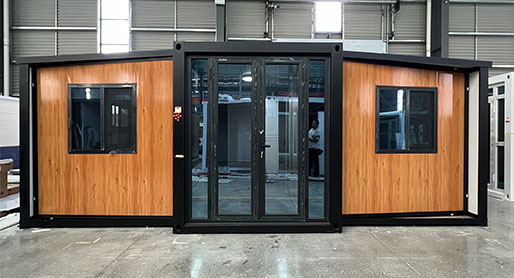
You love the "tiny home" idea, but you're not thrilled about spending 6 months building it. You need a guest house, an Airbnb rental, or a home office now, not next year. What if you could have a fully-fitted, 2-bedroom home... delivered on a truck and unfolded in about an hour? This isn't a fantasy. This is the expandable container house. From my experience, this product is the "holy grail...
Nov , 19 2025
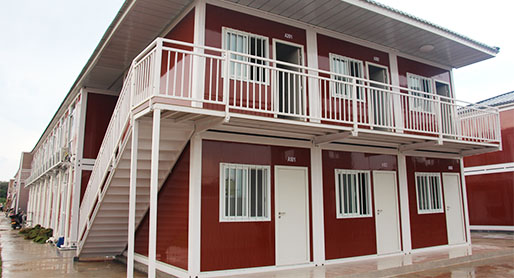
As a project manager, I live by one rule: "The cheapest option is almost always the most expensive." Nowhere is this truer than in remote worker accommodation. We've all seen the spreadsheets. A procurement officer finds a prefab unit for $2,000. It looks like a huge win. Then, the logistics quotes come in. The units are bulky and can only ship 2 per container. The assembly requires a specialized ...
Nov , 24 2025
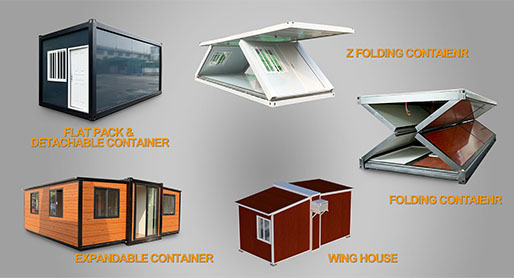
As a Project Manager, your site housing isn't a product decision; it's a logistics decision. We’ve seen too many projects stumble, not because the engineering was wrong, but because the accommodation logistics failed. You have 500 workers arriving in 8 weeks, and every day they can't be housed is a day your project burns cash. When you're looking at modular solutions, the choice always comes...
Dec , 04 2025
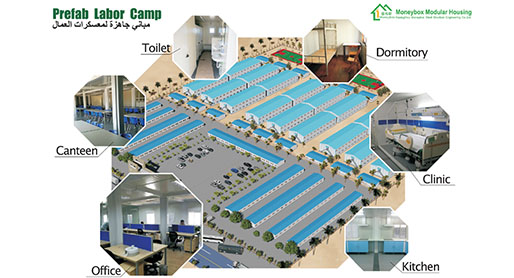
As a project manager, I can tell you where a remote camp really fails. It's not the dorms. It's the "life support" systems: the kitchen, the plumbing, and the sanitation. We've seen new PMs spend their entire budget on high-end dorms, only to realize they have no plan for feeding 300 workers or managing the wastewater. From my experience, a worker camp is a living, breathing ecosystem. A si...
Dec , 06 2025
Your project is in the Middle Eastern desert, where temperatures hit 50°C (122°F). Or, it's in Northern Canada, where it's -30°C (-22°F) for three months straight. In these conditions, a standard container isn't a house; it's a death trap. An uninsulated steel box becomes an oven or an icebox. From my experience, 90% of all worker complaints on an extreme-climate site—from hi...

Dec , 11 2025
As a campsite owner, what's your most valuable asset? It's not the land. It's the experience. From my experience, the old business model of "renting a patch of grass" for a tent is dead. Guests will pay $50/night for a tent spot, but they'll happily pay $250/night for an "experience"—a unique, comfortable, Instagram-worthy cabin. The problem? Traditional log cabins cost a fortune and take 6 ...



 English
  español
 français
 Deutsch
 русский
 italiano
 português
 Nederlands
 Ελληνικά
 हिन्दी
 online service


