-
Sep , 23 2026
Large mining operations, infrastructure developments, and commercial construction projects require practical, scalable, and efficient building solutions. From worker accommodation and site offices to project management facilities and commercial spaces, modular housing can help project owners create functional facilities while adapting to changing site requirements. However, choosing the rig...
-
Sep , 17 2026
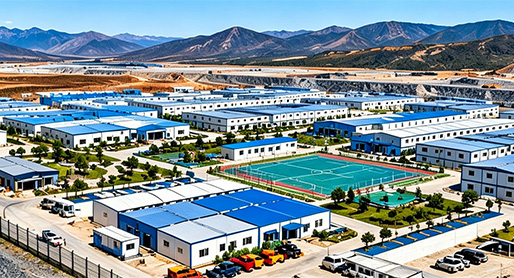
When a mining, infrastructure, construction, energy or industrial project needs accommodation for hundreds of workers, choosing individual container houses is only the beginning. A successful worker accommodation camp needs to combine sleeping areas, offices, sanitation facilities, dining spaces, recreation areas, utilities and circulation into one coordinated site plan...
-
Sep , 11 2026
A complete mining camp is more than a group of worker accommodation buildings. It is an integrated living and working environment that may include worker dormitories, site offices, dining facilities, toilets and showers, storage areas, recreation spaces, utilities, and other supporting infrastructure. For remote mining and large infrastructure projects, modular buildings can provide ...
-
Jul , 07 2026
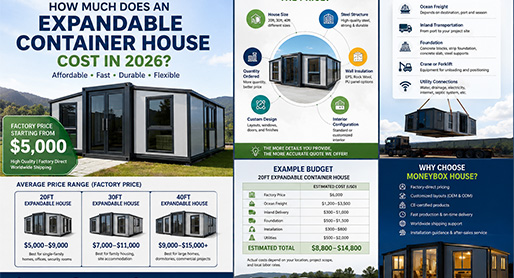
How Much Does an Expandable Container House Cost in 2026? Expandable container houses have become one of the most popular modular building solutions worldwide. Whether you're building a worker accommodation camp, construction site office, vacation cabin, or residential home, one question always comes first: How much does an expandable container house cost in 2026? The answer depends on seve...
-

Jul , 01 2026
Container House in Chile: Complete Buyer's Guide (2026) Chile has become one of South America's fastest-growing markets for prefabricated and container housing. From the Atacama Desert in the north to Patagonia in the south, businesses and developers are increasingly choosing container houses for worker camps, construction sites, mining projects, tourism facilities, and residential applications. W...
-
Jun , 24 2026
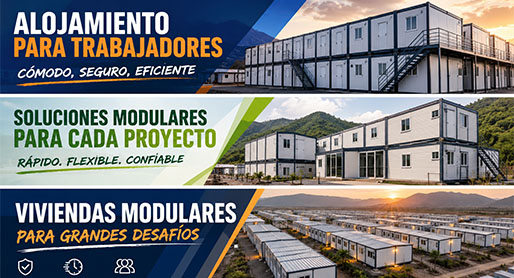
Best Worker Accommodation Solutions for South America Introduction South America is experiencing continuous growth in mining, oil and gas, renewable energy, infrastructure, and industrial development projects. Many of these projects are located in remote regions where traditional construction methods are expensive, time-consuming, and difficult to manage. As a result, modular and prefabrica...
-
Jun , 17 2026
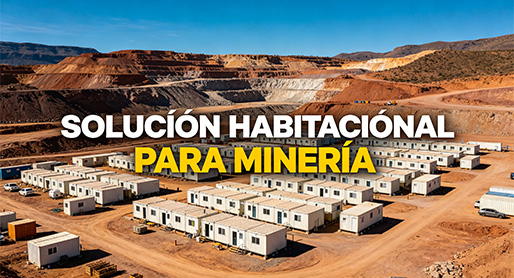
How to Build a Worker Accommodation Camp in 30 Days For construction companies, mining operators, oil and gas contractors, and infrastructure developers, providing comfortable accommodation for workers is often one of the first priorities when launching a project. However, traditional construction methods can take several months, delaying operations and increasing costs. Today, prefab...
-
Jun , 16 2026
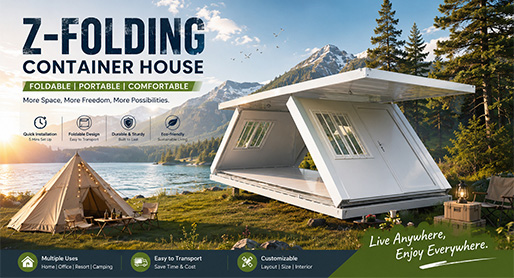
Why Z-Folding Container Houses Are Becoming the Preferred Choice for Large-Scale Accommodation Projects As global industries continue to expand into remote locations, the demand for fast, cost-effective, and reliable accommodation solutions has never been higher. Mining companies, construction contractors, government agencies, and humanitarian organizations all face the same challenge: prov...
-
May , 07 2026
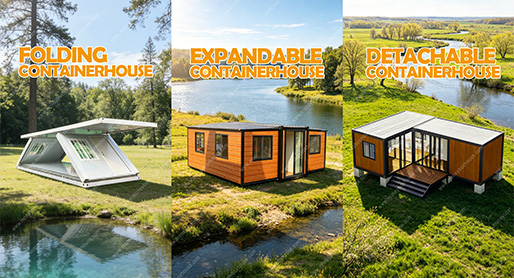
1. Introduction In the current rapid popularization of modular buildings, foldable container houses, expandable container houses, and detachable container houses have become mainstream products in the market, widely used in temporary buildings, homestays, offices, and other scenarios. However, due to significant differences in structure, performance, and applicable scenarios among the three...



 English
  español
 français
 Deutsch
 русский
 italiano
 português
 Nederlands
 Ελληνικά
 हिन्दी
 online service


